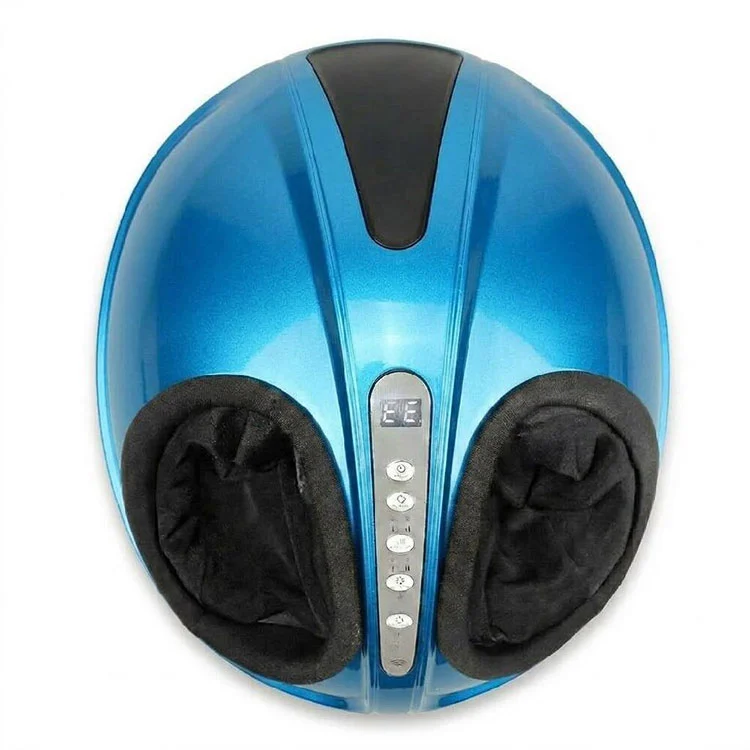
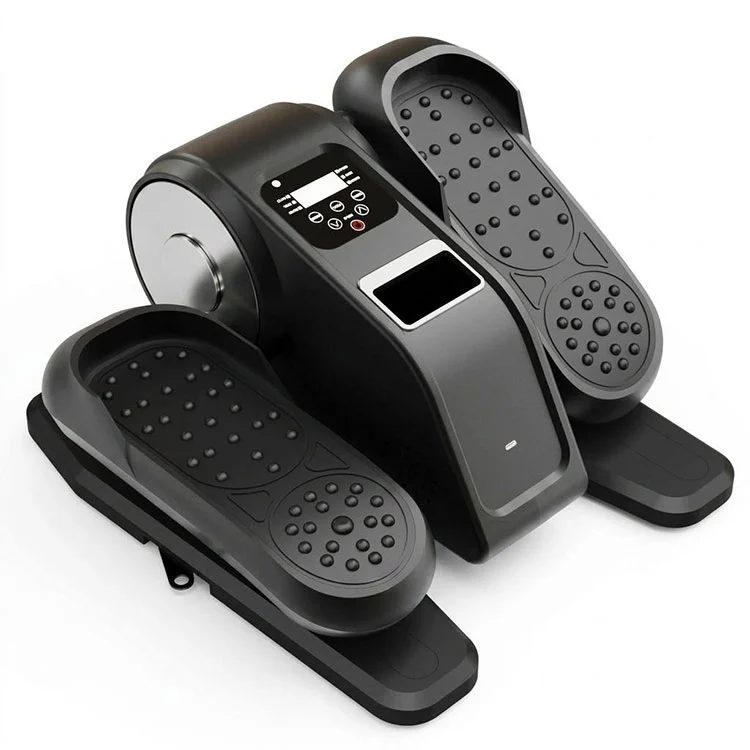
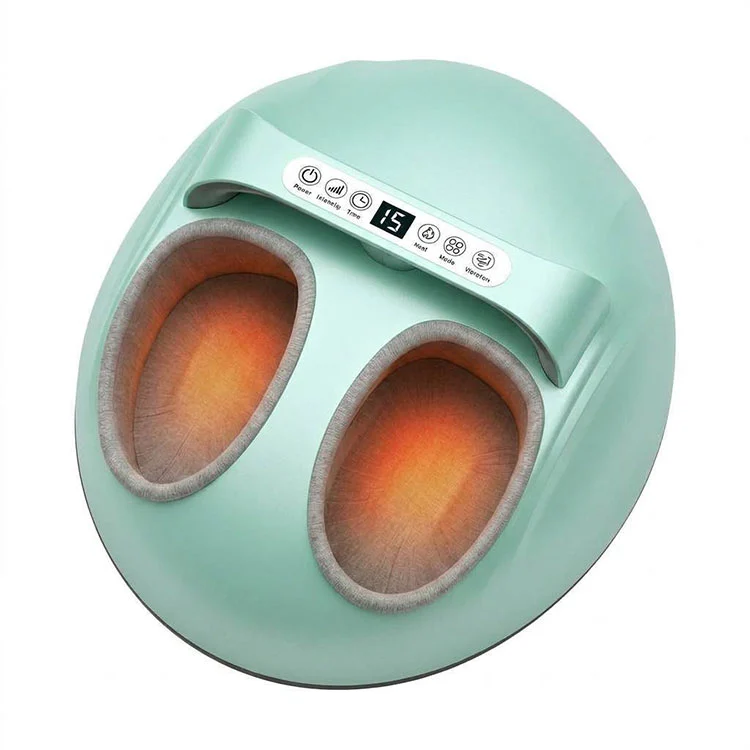
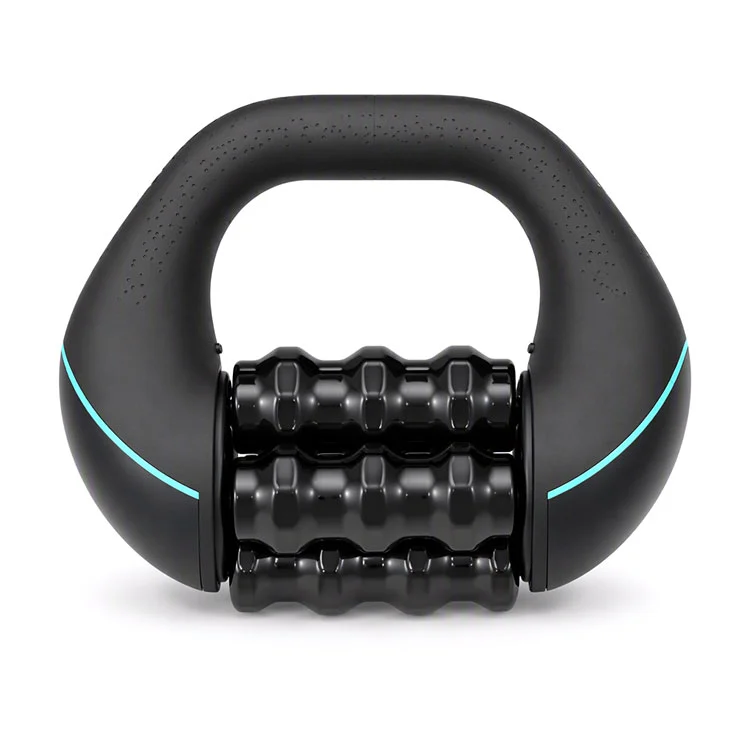
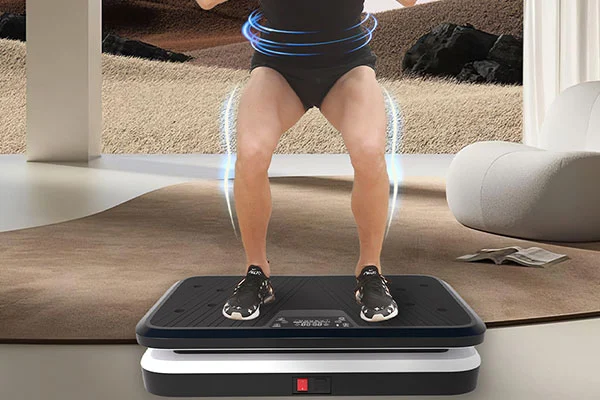
The fitness and body shaping equipment industry is undergoing a major overhaul as stationary bikes, resistance machines, and posture correctors integrate digital feedback systems. Shipments of smart exercise devices reached 12.6 million units globally in the first quarter, marking a 29 percent year‑over‑year increase, according to trade association reports.
Modern equipment now features real‑time motion tracking via embedded gyroscopes and accelerometers. These sensors detect joint angles and muscle activation patterns, then display corrective suggestions on built‑in screens. One newly launched cable pulley system uses electromagnetic resistance that adjusts every 0.2 seconds, mimicking free‑weight movements while protecting the lower back from improper loading.
Home gym setups have become particularly popular, with modular racks and foldable treadmills occupying less floor space while offering up to 200 pounds of adjustable resistance. Fitness instructors note that these systems enable users to perform compound exercises such as squats, rows, and presses with consistent form, reducing the need for spotter assistance.
Consumer adoption is strongest among professionals aged 25 to 40, who value time efficiency and data logging. Many devices now sync with personal health dashboards, recording repetition counts, peak force, and range of motion for each session. However, sports medicine specialists emphasize that equipment alone does not guarantee results; proper warm‑up and progressive overload remain essential principles.
Manufacturers are also addressing sustainability by using recycled steel and biodegradable cushioning foams. Several European brands have introduced take‑back programs for worn components. Industry insiders believe the next frontier is artificial vision guidance, where cameras analyze posture and provide audio cues in real time. With ongoing R&D investments, the global fitness equipment market is expected to surpass 18 billion dollars by 2027.
We use cookies to offer you a better browsing experience, analyze site traffic and personalize content. By using this site, you agree to our use of cookies.Privacy Policy