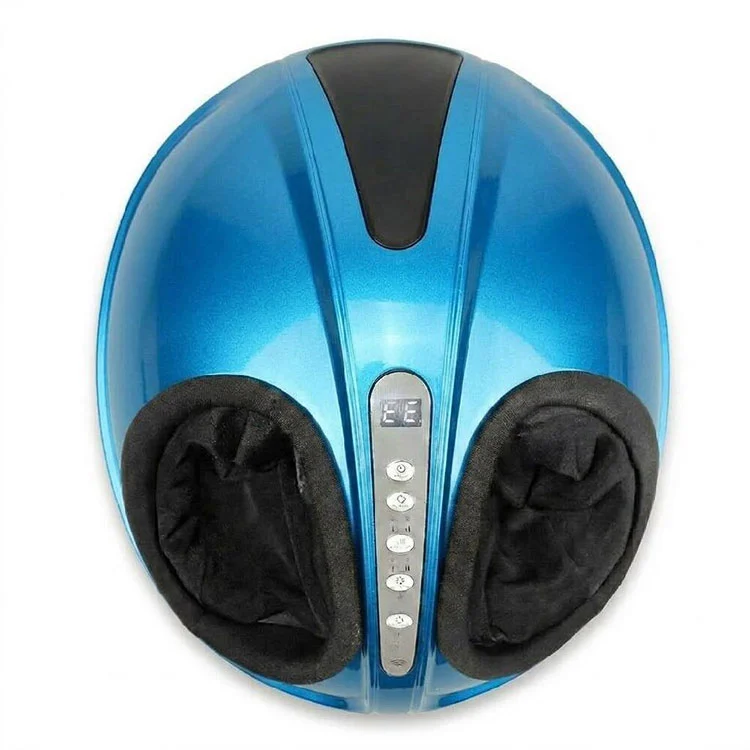
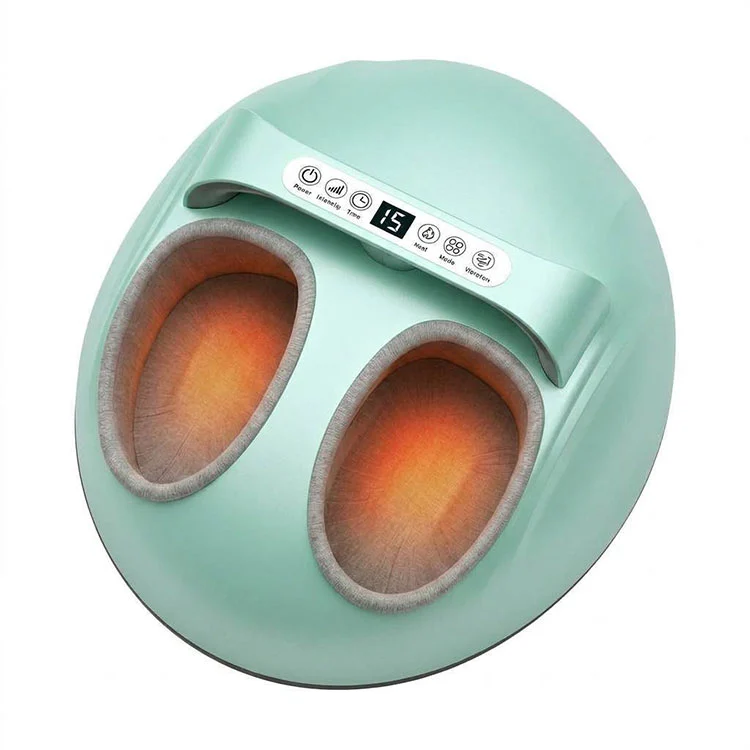
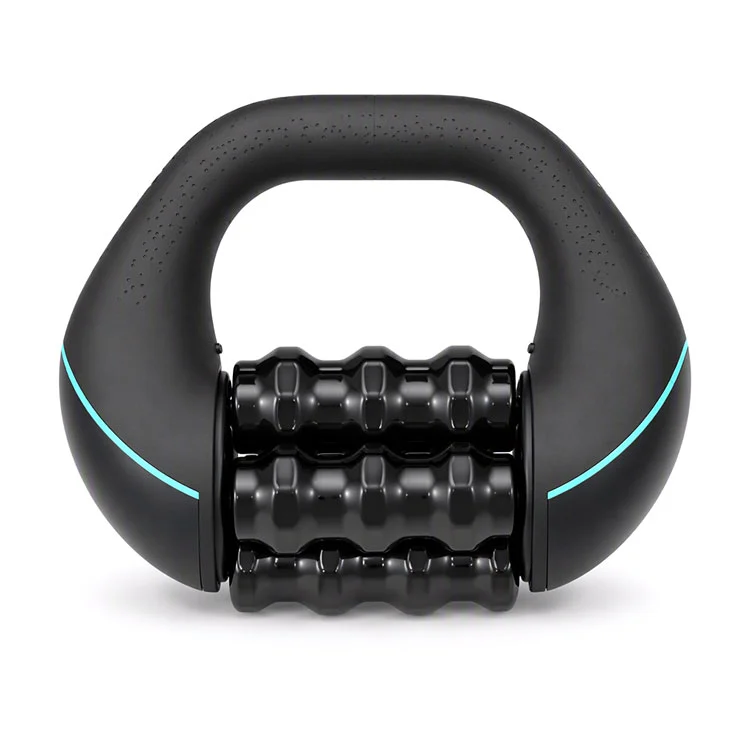
The consumer health device sector is witnessing a significant transformation as body part massagers evolve from simple vibration tools to intelligent recovery systems. Industry data shows that sales of neck, back, and foot massagers have increased by 34 percent in the first half of this year compared to the same period last year, driven by rising awareness of muscle maintenance among office workers and aging populations.
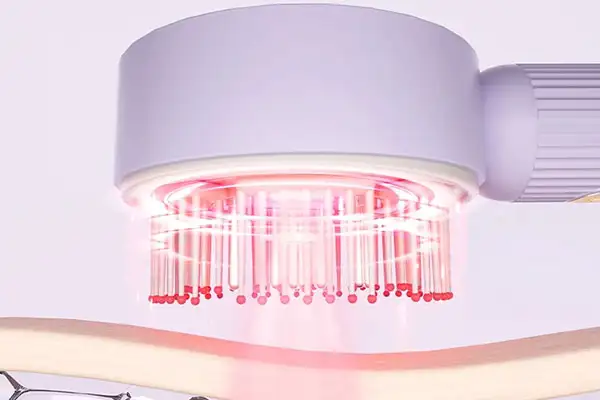
Manufacturers are now integrating pressure sensors and temperature control modules into handheld and wearable designs. These new models automatically adjust intensity based on tissue density, a feature that reduces the risk of overpressure injuries. One leading engineering team recently demonstrated a massager that maps acupressure points using infrared navigation, allowing users to target specific muscle groups without professional guidance.
Retail channels report that cordless percussion massagers with interchangeable heads are the fastest-growing category, accounting for nearly half of all unit sales in urban supermarkets and online marketplaces. Physical therapy clinics have also begun recommending portable leg compression sleeves for post-exercise recovery, citing clinical observations that regular use improves blood circulation and reduces delayed-onset muscle soreness.
Consumer feedback highlights convenience and safety as primary purchase drivers. A survey conducted across five major cities found that 78 percent of buyers prefer devices with auto-shutoff timers and visible battery indicators. However, experts caution that massagers are not substitutes for medical treatment and advise users to consult healthcare providers for chronic conditions.
Looking ahead, developers are exploring eco-friendly materials and rechargeable lithium batteries to extend product lifespan. Several patent filings suggest that next-generation massagers will incorporate acoustic wave therapy, which may offer deeper tissue penetration without excessive surface pressure. Market analysts project the category will sustain double-digit growth through 2028, fueled by continuous innovation and expanding distribution networks.
We use cookies to offer you a better browsing experience, analyze site traffic and personalize content. By using this site, you agree to our use of cookies.Privacy Policy